

Why Wedding Rings Matter More Than You Might Think
Wedding rings are one of the most meaningful purchases you'll ever make — and one of the easiest to get wrong without the right guidance.
Here's a quick overview of what most couples need to know:
| Question | Quick Answer |
|---|---|
| Wedding band vs. engagement ring? | Engagement ring has a dominant stone; wedding band is exchanged at the ceremony |
| What metals are available? | Gold (yellow, white, rose), platinum, titanium, tungsten |
| Should bands match? | No rule — personal preference wins |
| How much should you spend? | Anywhere from $100 to $2,000+, depending on metal and design |
| Can bands be resized? | Most can, except titanium and tungsten |
| Natural vs. lab-grown diamonds? | Same look, lab-grown costs less upfront |
| Which hand does it go on? | Traditionally, the left ring finger |
Whether you're just starting to shop or already overwhelmed by options, this guide covers everything — metals, styles, sizing, customization, and care.
I'm Ken Rutz from Jeweler's Touch, a premier jewelry store specializing in fine jewelry, custom designs, and expert repairs. I've spent years helping couples find and design wedding rings that fit their style, story, and budget. Let's walk through everything you need to know.
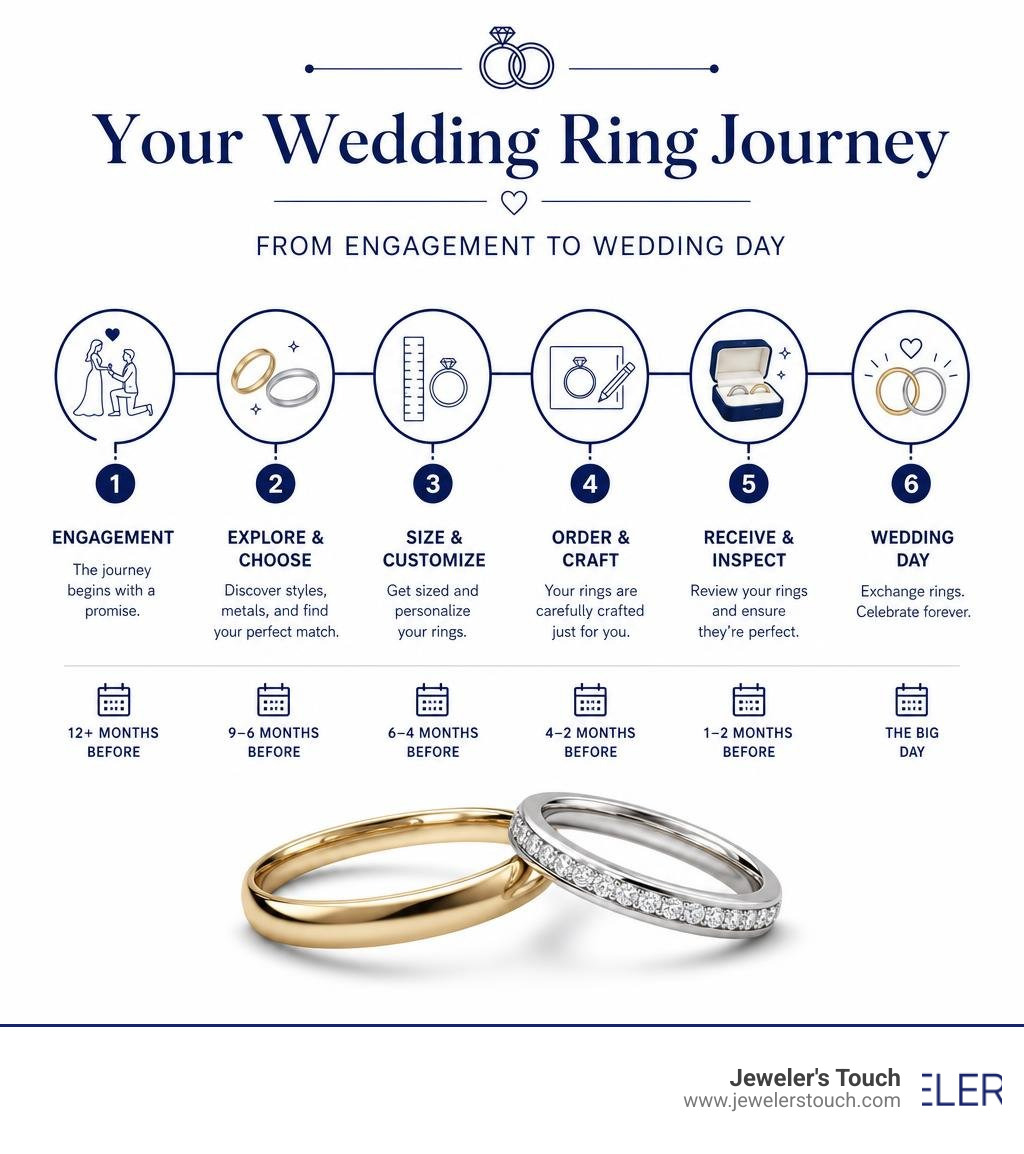
The History and Symbolism of Wedding Rings
The tradition of exchanging rings is not a modern marketing invention. It stretches back thousands of years. The ancient Egyptians viewed the circle as a symbol of eternity, representing a love that has no beginning and no end.
In ancient Rome, this symbolism evolved into a formal custom. The Romans began exchanging rings made of iron, and later gold, during marriage ceremonies to seal a legal and emotional commitment.
They also popularized the belief in the vena amoris, or the "vein of love." It was believed that a vein ran directly from the fourth finger of the left hand straight to the heart. While modern anatomy has since debunked this romantic notion, the beautiful sentiment remains, which is why the left ring finger is still the traditional home for wedding rings in Western culture.
As you plan your ceremony, understanding How to Wear Your Wedding Rings helps you decide how to stack your rings on the big day. Traditionally, the wedding band is placed on the finger first so that it sits closest to your heart, with the engagement ring stacked on top.
Some couples prefer a unified look, opting for a 2 Piece Wedding Ring set where the engagement ring and wedding band are designed to nestle perfectly together, or even soldered into a single piece after the wedding.
How to Wear Your Wedding Rings
While the traditional stacking order places the wedding band on the bottom (closest to the palm) and the engagement ring on top, there are no hard rules in July 2026.
Some brides choose to wear their engagement ring on their right hand and keep the wedding band solo on the left. Others like to frame their engagement ring by placing a band on both sides, creating a balanced, symmetrical stack.
Culture also plays a significant role. In many European countries, including Germany, Greece, and Russia, couples traditionally wear their wedding bands on the right hand.
Modern styling has also opened the door to exciting new combinations. When exploring Engagement Rings Modern Wedding Ring Trends, we see more couples embracing mixed metals, stacked gemstone bands, and open-front rings that leave space for a prominent center stone.
Engagement Rings vs. Wedding Bands
It is common to confuse engagement rings and wedding bands, but they serve different purposes and feature distinct designs:
- The Engagement Ring: This is the ring used during the proposal. It typically features a dominant center stone—traditionally a diamond, though colored gemstones are increasingly popular. It is worn throughout the engagement period to signal the upcoming marriage.
- The Wedding Band: This ring is formally exchanged during the wedding ceremony. Traditionally, it is a simpler metal band, though modern styles often incorporate pavé diamonds, channel-set gemstones, or intricate metalwork.
If you are trying to coordinate your bridal stack, finding the right match is key. For instance, there are many stunning Diamond Wedding Band Ideas for Your Oval Engagement Ring, ranging from curved contour bands that wrap around the elongated stone to delicate east-west baguette bands that highlight its unique shape.
Choosing Your Metal, Style, and Fit
Selecting the right metal is one of the most critical decisions you will make. Your ring needs to fit your lifestyle, aesthetic preferences, and skin sensitivity.
| Metal Type | Durability | Maintenance | Hypoallergenic? | Resizable? |
|---|---|---|---|---|
| Yellow Gold | Medium (Scretches over time) | Easy (Can be polished) | Yes (18K+ is best) | Yes |
| White Gold | Medium-High (Rhodium plated) | Requires replating every 1-2 years | May contain nickel | Yes |
| Rose Gold | Medium-High (Alloyed with copper) | Easy (Can be polished) | Copper may cause reactions | Yes |
| Platinum | Extremely High (Develops patina) | Easy (Can be polished to restore shine) | Highly Hypoallergenic | Yes |
| Titanium | Extremely High | Very low | Yes | No (Very difficult) |
| Tungsten | Scratch-Proof (Can shatter) | None | Yes | No |
If you have sensitive skin, focusing on Hypoallergenic Wedding Rings and Bands is essential. Metals like platinum, titanium, and high-karat yellow gold are excellent choices that will not irritate your skin over a lifetime of wear.
Additionally, understanding the Differences Between Yellow and White Gold Wedding Bands will help you weigh the warm, traditional glow of yellow gold against the sleek, modern brilliance of white gold.
Precious Metals vs. Alternative Metals
Precious metals have been the gold standard for generations. Yellow gold offers a classic, timeless warmth, while white gold provides a bright, contemporary look (though it requires occasional rhodium replating to maintain its silvery-white finish). Rose gold, alloyed with copper, offers a romantic, vintage aesthetic.
Platinum is the ultimate luxury option; it is incredibly dense, naturally white, hypoallergenic, and does not lose metal when scratched—instead, the metal shifts, creating a secure setting for precious stones. For a unique look, multi-tone gold bands combine yellow, white, and rose gold into a single design, much like the famous tri-color Vendome Louis Cartier wedding ring, width 4.8 mm - White gold, yellow gold, rose gold - CRB4052100 -Cartier® GB style.
On the other hand, alternative metals have exploded in popularity, particularly for men's rings. Titanium is incredibly lightweight yet strong, while tungsten carbide is virtually scratch-proof and holds its high-polish finish forever.
To understand how these two modern materials stack up, check out our comparison of Titanium vs Tungsten for Men’s Rings. For a deeper dive into selecting the perfect material, read our guide on How to Choose the Best Metal for a Mens Wedding Band.
Finding the Perfect Fit and Size
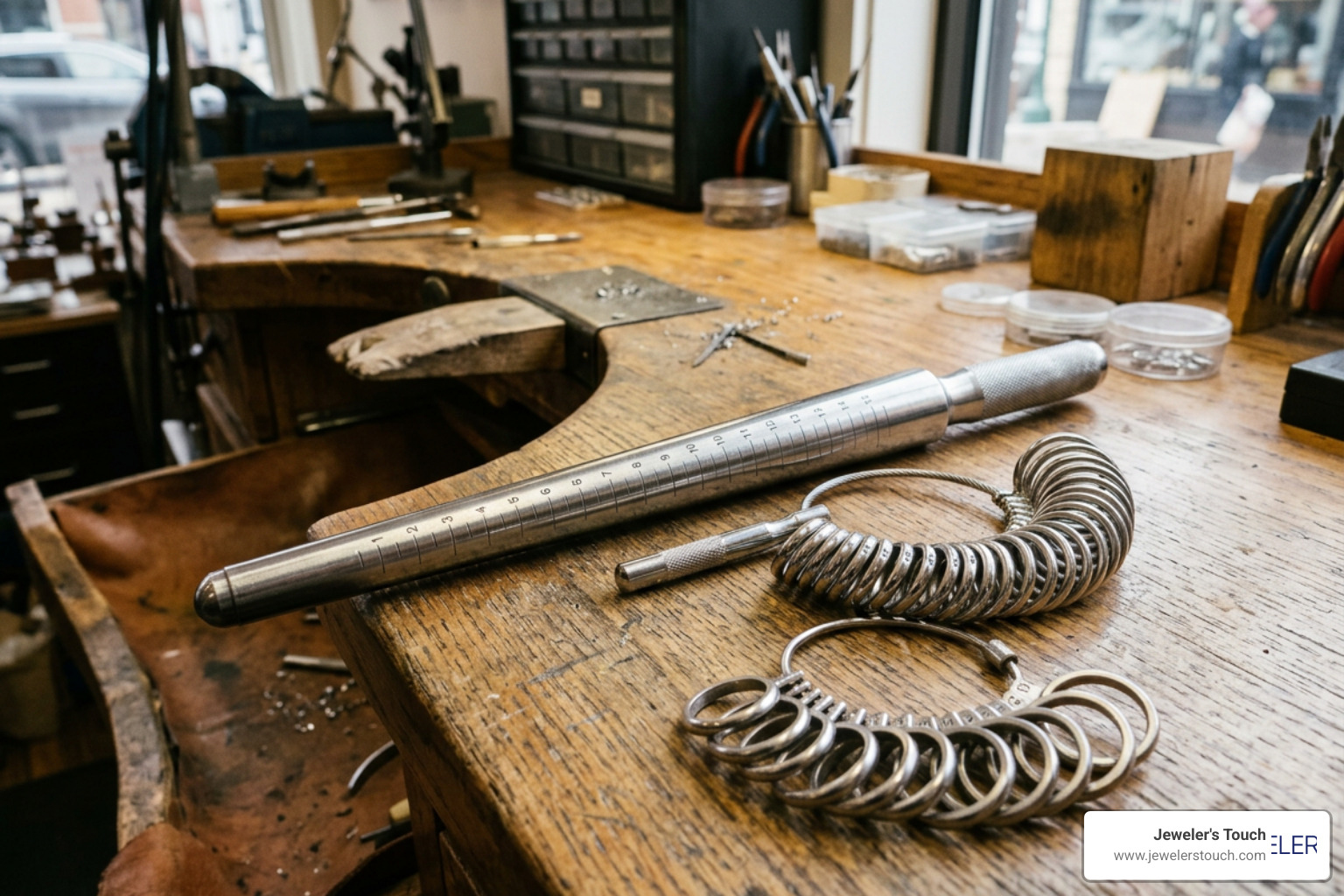
A ring that is too loose risks slipping off, while a ring that is too tight can restrict blood flow and cause discomfort. Your fingers naturally swell and shrink throughout the day due to temperature, salt intake, and physical activity. Because of this, we recommend getting professionally sized at different times of day to find your true average.
If you are shopping for larger sizes, finding comfortable, stylish Plus Sized Wedding Bands is easier than ever. Many designers now offer comfort-fit interiors, which feature slightly rounded inside edges that slide easily over the knuckle and sit comfortably on the finger all day.
For those with active lifestyles, careers in healthcare, or hands-on hobbies, wearing a precious metal band 24/7 might not be practical. In these cases, a silicone ring like Qalo A Different Kind of Wedding Ring is a fantastic, safe, and inexpensive alternative to wear at the gym or on the job site.
Popular Styles and Customization
Your wedding band should reflect your personal style. While some couples prefer matching sets to symbolize their shared bond, many modern partners choose completely different rings that highlight their individual personalities.

If you are looking for local inspiration or want to browse physical collections, exploring different wedding ring designs can give you a great sense of what styles are trending right now. To understand all your options, read our breakdown in Wedding Ring Styles Explained and our comprehensive Guide to Women’s Wedding Band Styles.
Classic and Modern Styles
When it comes to diamond bands, the setting style makes all the difference:
- Prong Settings: These use tiny metal claws to hold each diamond in place. This setting is incredibly popular because it allows maximum light to enter the stones, creating unmatched brilliance and fire.
- Pavé Settings: Small diamonds are set closely together, held by nearly invisible beads, giving the band the appearance of being paved with light.
- Channel Settings: Diamonds are set side-by-side between two parallel walls of precious metal. This offers a sleek look and excellent protection for the outer edges of the stones.
For men, the options have moved far beyond the plain gold band. From brushed finishes and hammered textures to diamond accents, you can explore the latest trends in Popular Men’s Wedding Rings.
If you appreciate designer craftsmanship, we highly recommend checking out our Designer Spotlight Benchmark Jewelry Bridal Rings, known for their exceptional comfort-fit technology and striking modern aesthetics. If you are near the Brea area, you can easily stop by our showroom to compare these designer styles in person.
Designing Custom Wedding Rings
If you can't find exactly what you are looking for in a showcase, custom design is the way to go. Customization allows you to choose your exact metal, select the perfect gemstones, and add personalized details like hand-engraving or a hidden birthstone inside the band.
But how long does the custom design process take? It typically requires several weeks from the initial concept and 3D CAD rendering to the final casting and hand-setting of stones. You can read more about what to expect in How Long Do Custom Wedding Rings Take.
When designing a custom ring, you will also have the choice between natural and lab-grown diamonds. Both are physically, chemically, and optically identical, but lab-grown diamonds offer a more budget-friendly price point, allowing you to maximize the carat weight or choose a higher metal purity for your custom piece.
Frequently Asked Questions
How much should you expect to spend on wedding bands?
The cost of a wedding band varies widely based on the metal, the presence of diamonds or gemstones, and the complexity of the design. A simple alternative-metal band (like titanium or tungsten) can cost as little as $100 to $300.
A classic 14K gold band typically ranges from $400 to $1,000, while platinum bands and diamond-heavy styles (like full eternity rings) generally start around $1,000 and can easily exceed $3,000 depending on the total carat weight.
What are the pros and cons of natural vs. lab-grown diamonds?
Both options are beautiful, but they appeal to different priorities:
-
Natural Diamonds:
- Pros: Hold a sense of historical rarity; retain more long-term resale value.
- Cons: Significantly more expensive per carat.
-
Lab-Grown Diamonds:
- Pros: Identical in sparkle, durability, and beauty; cost up to 50-70% less than natural diamonds of the same quality.
- Cons: Do not hold significant long-term resale value due to increasing supply.
How do you care for and maintain wedding bands over time?
To keep your ring looking as brilliant as the day you first put it on, follow these simple maintenance tips:
- Clean Regularly: Soak your ring in warm water with a few drops of mild dish soap, then gently scrub it with a soft-bristled toothbrush to remove dirt, lotions, and oils.
- Avoid Harsh Chemicals: Remove your rings when cleaning with bleach, swimming in chlorinated pools, or applying heavy hand sanitizers.
- Schedule Professional Inspections: Bring your rings to a professional jeweler at least once a year. We will check the security of the prongs, polish out surface scratches, and perform a deep ultrasonic cleaning.
- Mark Milestones: Over time, you might want to add to your stack. A beautiful way to celebrate a major milestone is with a 10 Year Anniversary Band, which can be worn alongside your original wedding rings.
Conclusion
At Jeweler's Touch, we believe that choosing your wedding rings should be an enjoyable, stress-free experience. As a family-owned jewelry store in Orange County since 1992, we pride ourselves on our welcoming atmosphere and unmatched expertise.
With our on-site GIA gemologist and team of expert goldsmiths, we are fully equipped to help you find, customize, or maintain the perfect symbols of your love.
Whether you want to browse our extensive showroom, resize an heirloom piece, or design a completely custom ring from scratch, we are here to bring your vision to life. We invite you to visit our Brea, CA showroom today.
Ready to find your perfect match? Explore our collection of Wedding Rings and let us help you write the next chapter of your love story.