

Why Your Wedding Bands Matter More Than You Think
Wedding bands are one of the most meaningful purchases you'll ever make, a small circle of metal that represents a lifetime of commitment.
Here's a quick overview of what to know before you buy:
- Metal types: Gold (yellow, white, rose), platinum, tungsten carbide, sterling silver, and meteorite inlays are the most common options
- Styles: Pavé, channel-set, eternity, plain, contoured, and stackable bands are all popular choices
- Stone options: Natural diamonds, lab-grown diamonds, sapphires, rubies, and moissanite
- Pricing: Bands typically range from under $100 for sterling silver to $18,000+ for high-end diamond designs
- Custom timelines: Made-to-order rings usually take 2 to 6 weeks depending on complexity
- Sizing: Most gold and platinum bands can be resized; tungsten cannot
- Fit tips: Measure your finger at different times of day for the most accurate size
Choosing the right band isn't just about looks. It's about finding something durable, comfortable, and meaningful enough to wear every single day for the rest of your life.
I'm Ken Rutz from Jeweler's Touch, a fine jewelry store specializing in custom designs, bridal collections, and expert craftsmanship, including a wide selection of wedding bands for every style and budget. In the guide below, I'll walk you through everything you need to make a confident, informed choice.
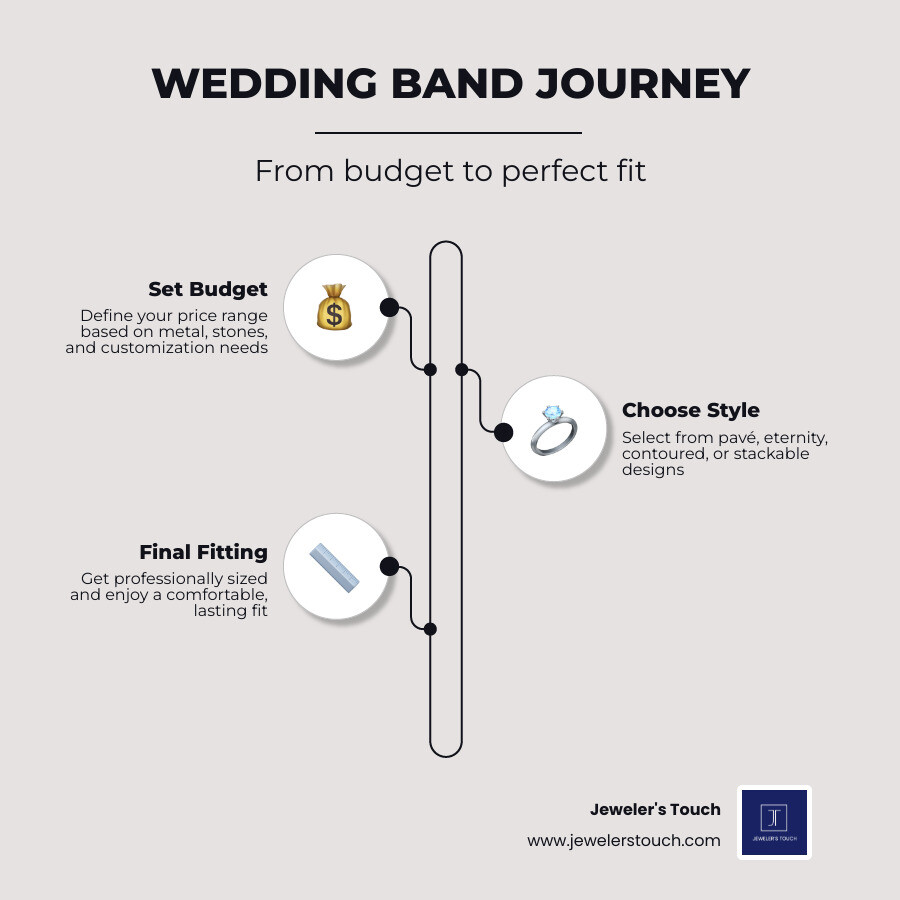
Popular Styles and Types of Women's Wedding Bands
When it comes to women's wedding bands, the options are nearly limitless. As of May 2026, we are seeing a beautiful blend of timeless tradition and "edgy" modern designs. Whether you want something that disappears under your engagement ring or a "power couple" statement piece, understanding the terminology is the first step.
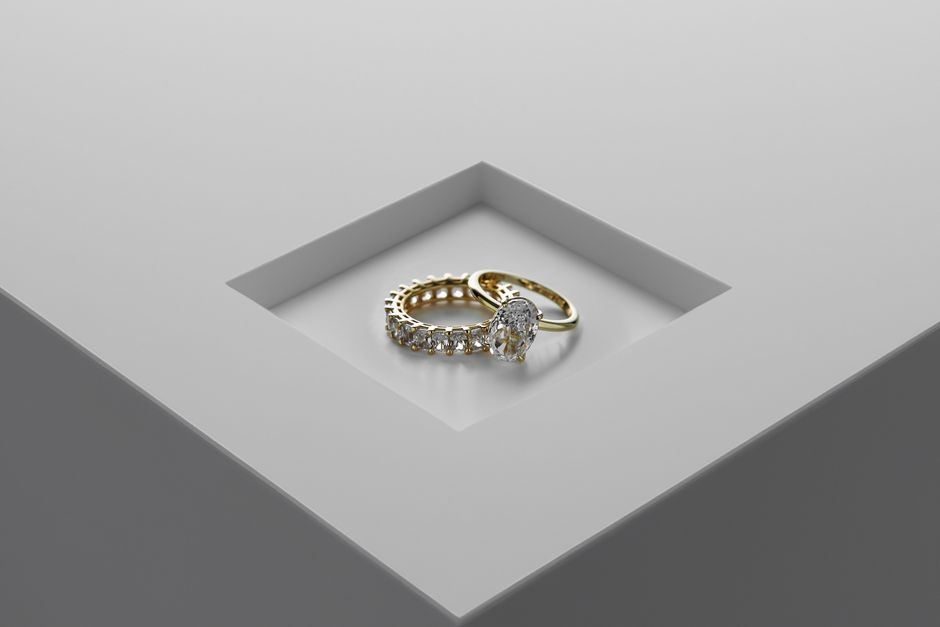
Classic and Diamond Styles
For many, a wedding ring isn't complete without a bit of sparkle. Guide to Women’s Wedding Band Styles often highlights the Pavé diamond band, where small diamonds are set closely together, minimized by tiny metal beads. This creates an effect of continuous brilliance. Channel settings offer a sleeker look, securing diamonds between two parallel walls of metal, which is excellent for protecting the stones from daily snags.
If you are looking for maximum impact, Eternity bands feature diamonds that go all the way around the finger. While stunning, keep in mind they are very difficult to resize. For those who prefer a "less is more" approach, Solitaire Engagement Rings & Wedding Bands usually pair best with a simple, high-polished metal band or a delicate thin pavé ring.
Specialized Shapes and Enhancers
Not every engagement ring has a straight edge. If you have a unique center stone, you might need Diamond Wedding Band Ideas for Your Oval Engagement Ring. Contoured or curved bands are specifically engineered to "nest" against your engagement ring, following its silhouette so there isn't a gap between the two rings.
For those who want to "upgrade" their look without replacing the original ring, an enhancer (or guard) is a fantastic option. These often consist of two bands joined at the bottom, allowing your engagement ring to slide into the middle. It frames the center stone, adding symmetry and significant "finger coverage." You can find more details on these variations in our Wedding Ring Styles Explained resource.
Choosing the Right Materials for Your Rings
The material you choose dictates not only the look of your wedding bands but also how they will age over the next fifty years. While gold remains the king of the industry, alternative metals are gaining ground for their unique properties and price points.
The Precious Metals: Gold and Platinum
Gold is the traditional choice, available in 14k and 18k varieties. Understanding the Differences Between Yellow and White Gold Wedding Bands is vital; white gold is often plated with rhodium to give it a bright silver finish, which may require re-plating every few years. Yellow gold and rose gold offer a warm, classic glow that never fades.
Platinum is the "heavyweight" of the jewelry world. It is naturally white, incredibly dense, and hypoallergenic. Unlike gold, which loses tiny amounts of metal when scratched, platinum simply displaces, developing a "patina" over time that many find desirable.
Modern and Alternative Metals
For men especially, the search for durability often leads to tungsten carbide. When researching How to Choose the Best Metal for a Men’s Wedding Band, you'll find that tungsten is roughly 10 times harder than 18k gold. It is virtually scratch-proof, making it ideal for those with active lifestyles or hands-on jobs.
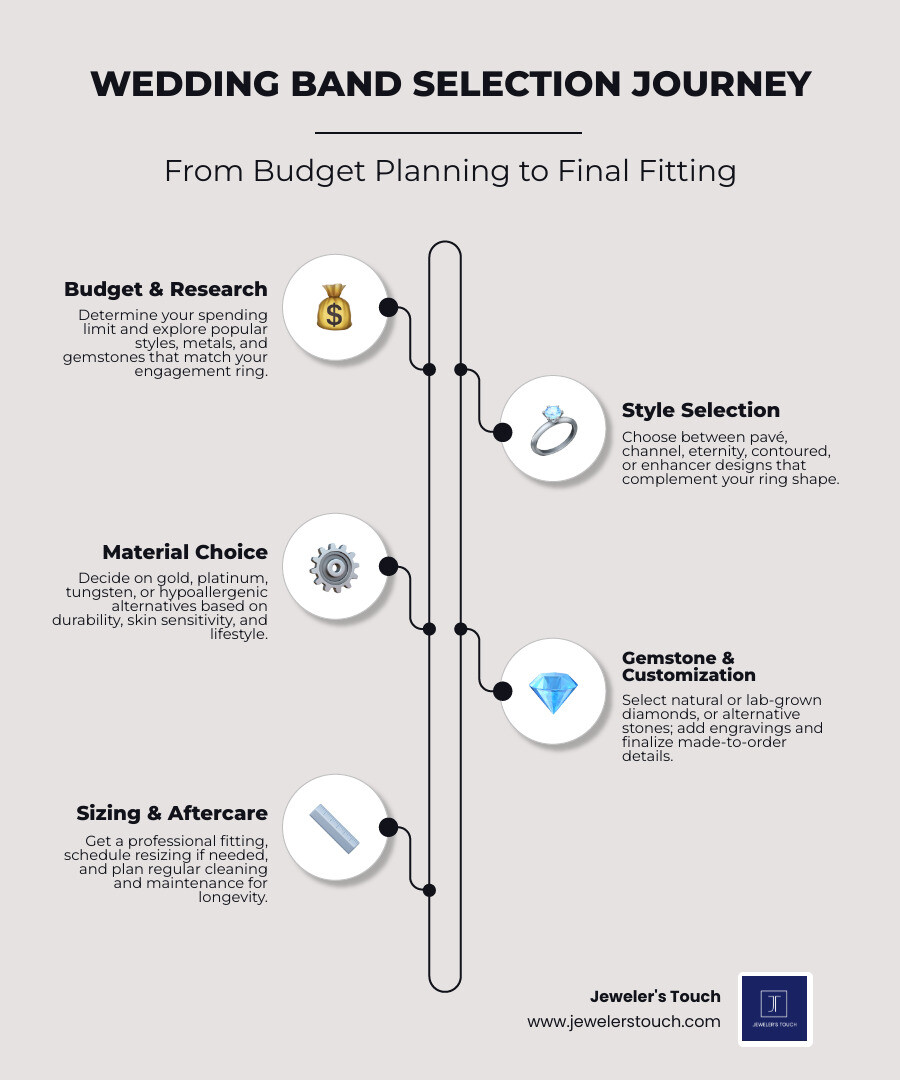
Other unique options include:
- Meteorite Inlays: For a "one-in-a-million" feel, some bands incorporate genuine Gibeon meteorite, sealed in protective resin. It’s literally a piece of outer space on your finger!
- Sterling Silver: A budget-friendly, minimalist choice often used for matte-finish "promise" rings or temporary bands.
- Hypoallergenic Options: If you have sensitive skin, focusing on Hypoallergenic Wedding Rings and Bands like platinum or high-grade titanium is a must.
- Silicone Bands: Brands like QALO - A Different Kind of Wedding Ring offer medical-grade silicone bands. These are perfect for the gym, the job site, or any situation where a metal ring might be a safety hazard.
Diamonds and Gemstones: Natural vs. Lab-Grown
The debate between natural and lab-grown diamonds is one of the most frequent conversations we have at Jeweler's Touch. In May 2026, the technology for lab-created stones has reached a point where they are chemically, physically, and optically identical to those mined from the earth.

Understanding the Difference
Natural diamonds were formed billions of years ago deep within the earth. They carry a sense of "rarity" and history that many couples find romantic. On the other hand, lab-grown diamonds are created in controlled environments using advanced technology that mimics the earth's natural heat and pressure. Because they don't require mining, they often come at a lower price point, allowing you to get a larger or higher-quality stone for your budget.
For those looking for something truly unique, Classic Engagement Rings - Brea Diamond Direct often showcase how traditional settings can be elevated with alternative gemstones. Sapphires, Rubies, and Emeralds are durable enough for everyday wear and add a splash of color to your stack. If you're looking for a designer touch, the Designer Spotlight: Benchmark Jewelry Bridal Rings showcases how precision engineering can highlight the brilliance of any stone type you choose.
Customization and the Made-to-Order Process
Sometimes, the "perfect" ring isn't sitting in a display case; it’s waiting to be created. Custom wedding bands allow you to personalize every millimeter of the design, from the metal weight to the specific stones used.
The Bespoke Journey
The process typically starts with a consultation where we discuss your vision. Using modern CAD (Computer-Aided Design) software, we can create a 3D model of your ring. This is the stage where you can decide on laser engraving — whether it's your wedding date, coordinates of where you met, or even a favorite movie quote.
Timelines and Expectations
- Made-to-Order: Many retailers offer "made-to-order" collections where you choose a base style and customize the metal and stones. This usually takes 2 to 3 weeks.
- Full Custom Design: A completely bespoke piece created from scratch typically requires 4 to 6 weeks.
- Returns and Warranties: It is important to note that most custom or engraved rings are final sale. Because they are made specifically for you, they cannot be returned. We always recommend confirming your size with a professional sizer before pulling the trigger on an engraving.
Staying on top of Engagement Rings & Modern Wedding Ring Trends can help you decide if you want a vintage-inspired hand-engraved look or a sleek, modern tension setting.
Ensuring the Perfect Fit and Long-Term Care
A wedding band that doesn't fit correctly is a wedding band that stays in a jewelry box. Since your finger size can change based on the weather, your diet, or even the time of day, getting an accurate measurement is crucial.
Sizing Secrets
We recommend measuring your finger at the end of the day when your hands are warm. If you are looking for Plus Sized Wedding Bands, look for "comfort fit" designs. These have a domed interior, which allows the ring to slide over the knuckle more easily and sit more comfortably on the finger.
Aftercare and Maintenance
Once you have your rings, you need to keep them looking like they did on day one.
- Professional Cleaning: Bring your rings to us at Jeweler's Touch for a professional ultrasonic cleaning and inspection of the prongs.
- Daily Care: Remove your rings before gardening, heavy lifting, or using harsh chemicals like bleach.
- Storage: Store pieces separately in soft pouches to prevent them from scratching each other.
If you're planning your big day in our area, you might also be looking for Live Wedding Bands With Prices in Orange County, CA - The Knot to handle the entertainment while we handle the jewelry! And once the ceremony is over, you might wonder How to Wear Your Wedding Rings — traditionally, the wedding band goes on first so it is "closer to the heart."
Frequently Asked Questions about Wedding Rings
How do I match my band to my engagement ring?
The best way to ensure a perfect match is to look at the profile (the side view) of your engagement ring. If the center stone sits high, a straight band will sit flush. If it sits low, you may need a contoured band. Many couples also choose from Popular Men’s Wedding Rings that share the same metal or finish as the woman's band to create a "coordinating" look without being identical.
Can all Wedding Bands be resized?
No. This is a common misconception. Tungsten, titanium, and cobalt are too hard to be resized; if your finger size changes, the ring must be replaced. Similarly, full eternity bands (diamonds all the way around) and some intricately engraved bands cannot be resized without breaking the pattern. Gold and platinum "plain" or "half-eternity" bands are generally easy to adjust.
What is the average timeline for custom Wedding Bands?
For most high-quality, hand-finished wedding bands, you should plan for a 4 to 6 week window. This allows for the design phase, stone sourcing, casting, setting, and a final quality inspection. If you are ordering a standard band without engraving, it can often be ready much sooner, sometimes even same-day if it is in stock.
Conclusion
Choosing your wedding bands is a milestone that deserves expert guidance. At Jeweler's Touch, we’ve been helping Orange County couples find their perfect symbols of love since 1992. Whether you are visiting us in Brea or browsing from the comfort of your home, our on-site GIA gemologists and expert goldsmiths are here to ensure your rings are as enduring as your commitment.
From custom CAD designs to professional appraisals and flexible financing, we provide a full-service experience that doesn't end when you walk out the door. We invite you to Find your perfect wedding rings with us and experience the craftsmanship that has made us a local favorite for over three decades.
Jeweler's Touch Brea, CA