

Choosing between different engagement ring settings comes down to balancing beauty, security, and personal lifestyle. Every setting style changes the personality of the center stone while altering how much care the ring requires over time.
The prong setting remains the most popular choice overall, accounting for approximately 60% of all engagement rings sold today. Its timeless look leaves the stone largely exposed, letting in high amounts of light. Pavé settings follow in popularity, used in roughly 25% of engagement rings, having grown 15% in popularity since 2018 thanks to the brilliant shimmer they add to the band.
Bezel settings are chosen for about 15% of engagement rings, widely praised for their sleek, modern aesthetic and unmatched durability. Halo settings have experienced a notable 20% increase in popularity among millennial buyers over the past five years because they offer extra visual volume and intense sparkle. Finally, three-stone settings represent about 10% of purchases, traditionally chosen to symbolize a couple's past, present, and future.
Classic Solitaire and Prong Settings
Prong settings rely on small metal claws that extend upward from the ring's base to grasp the diamond. This minimal metal coverage allows maximum light intake, creating the vivid brilliance people classicly associate with traditional Solitaire Engagement Rings Wedding Bands.
The two primary variations are the four-prong and six-prong configurations:
- Four-Prong Settings: Use fewer metal points, allowing more light to penetrate the diamond from all angles. This helps smaller diamonds appear larger and allows square or rectangular diamonds to show off clean geometric lines. However, if one prong weakens or snags, the diamond is less secure.
- Six-Prong Settings: Provide extra security by placing prongs around the perimeter. This style offers better structural defense for larger round diamonds, creating a graceful, flower-like profile. The trade-off is slightly reduced light exposure along the sides.
Prongs can also be shaped into round tips, pointed claw prongs, or flat tabs. Claw prongs add an elegant, tailored look, while traditional round prongs offer a soft finish. From a maintenance standpoint, prong settings are easy to clean with standard solutions because the stone sits open. However, prongs require periodic inspection by expert goldsmiths to ensure they haven't worn down or snagged out of alignment. Exploring Classic Engagement Ring Styles can help you decide if a classic prong arrangement fits your aesthetic.
Bezel and Protective Engagement Ring Settings
A bezel setting uses a precise metal rim that wraps partially or completely around the outer edge of the stone. If you want to know What Is a Bezel Setting, think of it as a custom protective collar crafted around the gem.
There are two main variations:
- Full Bezel: Completely encircles the perimeter of the gemstone with a smooth wall of metal. It delivers maximum protection against bumps, drops, and scratches, keeping the stone's edges entirely safe.
- Half Bezel (Semi-Bezel): Leaves two sides of the stone exposed while securing the upper and lower edges. This allows light to pass through the open sides while preserving the snag-free convenience of a bezel.
Bezel settings offer a sleek, low-profile finish that will not catch on clothing, hair, or specialized work gear. The protective rim holds the stone lower against the finger, making it extremely durable for everyday wear. While metal surrounding the stone slightly reduces side light, it creates a clean frame that can make the gem's outline look crisp and bold.
Halo and Pavé Styles
Halo settings feature a central diamond surrounded by a ring of smaller accent stones. If you are exploring What Is a Halo Engagement Ring, you will find that it visually magnifies the size of your center diamond while adding intense peripheral radiance.
Pavé settings (pronounced pah-vay) involve tiny diamonds set closely together along the metal band, held by tiny bead prongs. Micro-pavé uses even smaller accent stones set under high magnification, creating an uninterrupted surface of shimmer. Combining a pavé band with a classic center diamond gives the setting a brilliant, textured look from every angle.
Because pavé and halo settings utilize many small accent stones, they require attentive care. A hard blow to the side of the ring can dislodge tiny prongs, meaning occasional ring inspections are important to keep small diamonds securely in place.
Choosing Engagement Ring Settings for Active Lifestyles and Diamond Shapes
The choice of setting directly impacts how a ring wears day to day and how well it highlights a specific gem. A high-set prong mounting might look dramatic on a weekend outing, but a low-profile bezel or channel setting often works much better for hands-on activities. Matching the setting to the stone's physical shape is equally crucial for long-term durability.
| Setting Type | Durability Rating | Lifestyle Suitability | Maintenance Level | Recommended Stone Shapes |
|---|---|---|---|---|
| Bezel | Exceptional | High activity, active sports, healthcare | Low | All shapes, especially fancy cuts with sharp corners |
| Flush Mount | Maximum | Extremely active, heavy manual labor | Very Low | Round, oval, cabochons |
| Channel | High | Active lifestyles, busy daily routines | Low to Moderate | Round, princess, baguette |
| Prong (4/6) | Moderate | Standard everyday wear, office environments | Moderate | Round, cushion, oval |
| Halo / Pavé | Moderate to Low | Light to moderate daily activities | High (frequent checks) | Round, cushion, emerald, pear |
Matching Gemstone Shapes to Engagement Ring Settings
Fancy diamond shapes possess unique proportions and vulnerable points that need proper support. Using our Diamond Engagement Ring Guide can help you pick the right combination, but here are key shape-specific guidelines:
- Pear and Marquise Cut Diamonds: These shapes feature sharp point tips prone to chipping. They should always be set with protective V-shaped prongs or a partial bezel around their pointed ends to absorb impacts.
- Emerald Cut Diamonds: Step-cut emerald shapes showcase long parallel facets and clipped corners. Double prongs or a tailored bezel protect these corners while preserving the clean rectangular look.
- Oval and Cushion Cuts: These rounded shapes benefit from six-prong mountings or snug halo settings that preserve their curved silhouettes while holding them securely.
Practical Settings for Daily Wear and Active Professions
For individuals working in healthcare, athletics, craftsmanship, or any field requiring frequent glove wearing, certain settings stand out:
- Flush Mount: The diamond sits directly inside a recessed hole in the metal band, level with the ring's outer surface. This prevents all snagging and provides maximum protection.
- Channel Setting: Accent diamonds are set side by side inside a recessed track between two continuous walls of metal. Without prongs exposed on the surface, channel bands glide smoothly over fabrics and gloves.
- Low-Profile Mountings: Keeping the overall center stone set close to the finger minimizes leverage when bumping against hard surfaces, keeping the ring safe during heavy daily use.
Maintenance, Budget, and Customization Considerations
Selecting your ideal setting also involves practical choices around metal selection, routine maintenance costs, and custom design elements. Understanding these factors ensures your ring retains its structural integrity and beauty for decades.
Metal Selection and Maintenance Requirements
The metal you choose affects both the initial cost of the ring and its long-term care routine.
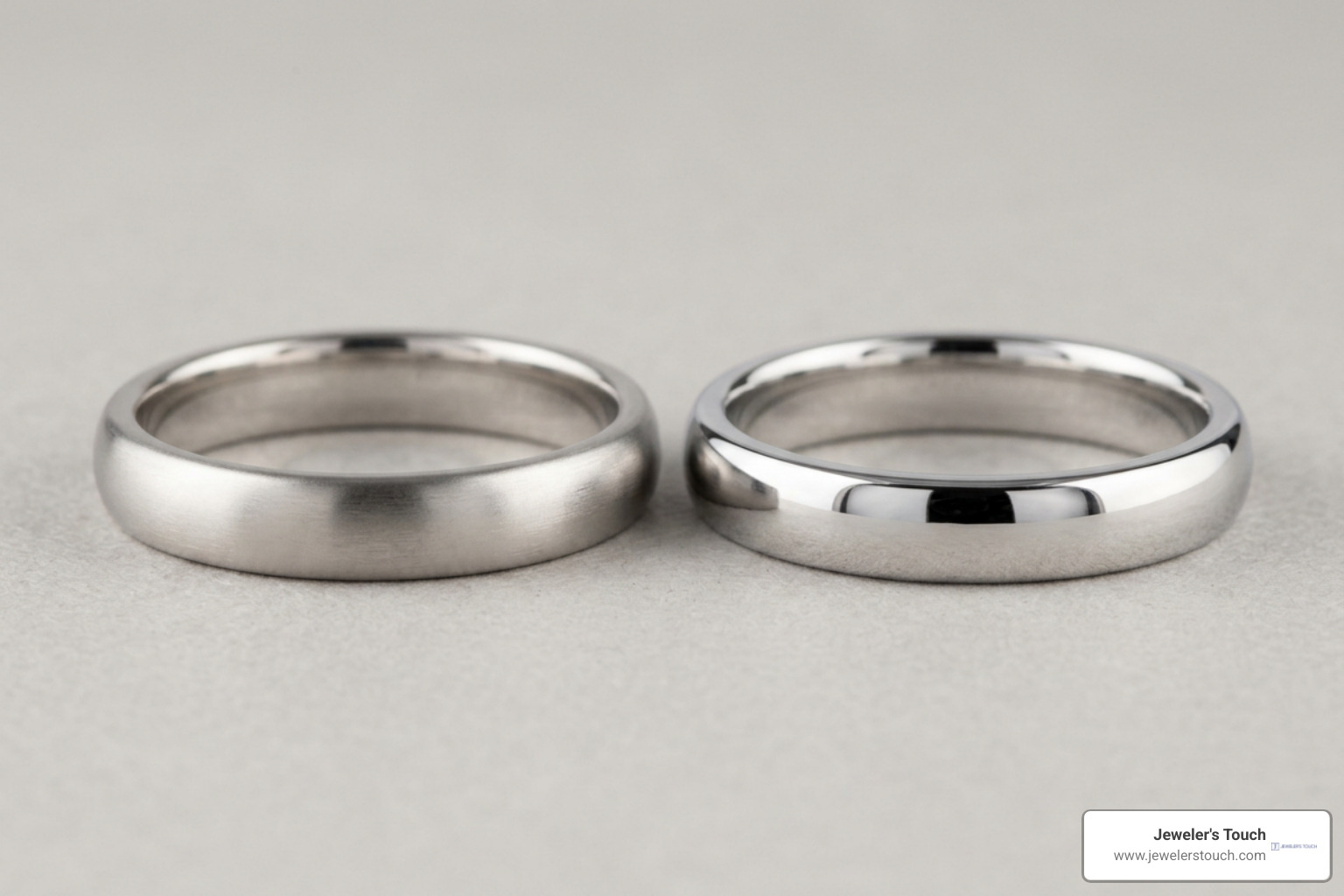
When Choosing White Gold vs Platinum for Your Ring, consider these core differences:
- Platinum: Naturally white, highly dense, and hypoallergenic. It does not wear away when scratched; instead, the metal shifts slightly, creating a soft satin patina over time. Platinum prongs are very durable and hold gems securely.
- White Gold: Alloyed with white metals and coated in brilliant rhodium. Over time, rhodium plating wears off from regular friction and cleaning, requiring re-plating every 12 to 24 months to maintain a cool silver color.
- Yellow Gold and Rose Gold: Classic options that offer warm tones and require no outer plating. They soften over years of wear, developing an attractive warm luster.
All settings require simple home care, like soaking the ring in warm water with mild dish soap and brushing gently with a soft toothbrush. However, professional care is equally essential. At Jeweler's Touch, our on-site GIA gemologists and goldsmiths recommend annual checks to evaluate prong thickness, retip worn metal points, and check for loose accent stones.
Modern Trends in Hidden Halos and Customization
Today's custom ring designs combine classic aesthetics with subtle personalized details. You can explore our guide to Modern Engagement Ring Styles and Settings You Should Know About to see how modern jewelry design has evolved.

key modern trends include:
- Hidden Halos: A delicate ring of micro-pavé diamonds set just beneath the main head platform, visible only from the side profile. This allows the center stone to look clean from above while providing extra detail from the side.
- Split Shank Bands: The band splits into two separate strands as it meets the center head, creating elegant open spaces. Comparing Split Shank vs Hidden Halo Engagement Rings Guide highlights how these two design options elevate visual interest without overwhelming the center stone.
- Custom Metalwork: Incorporating delicate filigree, hand engraving, or contrasting metal colors (such as a platinum head on a yellow gold band) highlights your individual style.
Common Ring Shopping Mistakes to Avoid
When shopping for an engagement ring setting, it is easy to get caught up purely in aesthetics. Reviewing Engagement Ring Shopping Dos and Don'ts can save time, money, and stress down the road.
Common pitfalls include:
- Ignoring Daily Wearability: Buying a high-profile prong mounting for an active lifestyle can lead to chipped stones or bent metal. Always match your setting to your routine.
- Mismatched Center Stone and Setting: Pairing a delicate setting with a heavy diamond without adequate metal support can jeopardize stone security. Refer to the Official Guide to Engagement Ring Settings to ensure strong structural compatibility.
- Overlooking Long-Term Maintenance: Complex micro-pavé and white gold bands require regular inspections and care. Ensure you are comfortable with the upkeep required for your chosen style.
- Disregarding Resale and Value Preservation: Quality craftsmanship, solid metal volume, and secure setting construction protect your financial investment over time far better than overly thin, fragile mountings.
Frequently Asked Questions About Engagement Ring Settings
What is the most durable engagement ring setting?
The bezel setting is widely recognized as the most durable engagement ring setting. By encasing the outer perimeter of the gem in a continuous rim of metal, it protects fragile edges from chips, scratches, and everyday impacts. Flush mount settings also offer exceptional durability for active lifestyles.
How does the setting affect the cost of an engagement ring?
The cost of a setting depends on the metal type, overall metal weight, and labor intensity. Intricate pavé or halo settings require setting small accent diamonds by hand under magnification, which increases labor costs. Platinum mountings are also generally more costly than gold mountings due to platinum's density and purity.
Can an engagement ring setting be changed or upgraded later?
Yes. It is common to reset a center diamond into a new setting for a major milestone or anniversary. An expert goldsmith can carefully remove your stone, evaluate its condition, and craft a brand-new mounting that suits your evolving personal taste.
Conclusion
Choosing the right engagement ring setting comes down to balancing beauty, daily comfort, stone security, and personal style. Whether you love the classic sparkle of a solitaire, the total defense of a sleek bezel, or the detailed craftsmanship of a custom halo, selecting the right mounting ensures your ring stays brilliant for decades to come.
Since 1992, Jeweler's Touch has served clients across Orange County and Brea, CA, with expert, warm guidance. Our on-site GIA gemologists and goldsmiths are ready to help you compare settings, select the perfect center stone, or craft a one-of-a-kind custom design. Visit our showroom or contact our team today to get started!