

When shopping for a diamond necklace, understanding what goes into its creation makes all the difference. Beyond initial aesthetics, every piece balances structural design, diamond quality, and metal composition. Evaluating these key components helps you choose a design that fits your aesthetic, withstands daily wear, and fits your budget.
Whether you prefer a focal solitaire stone or a detailed geometric pavé setting, learning how diamonds and precious metals work together gives you full control over your selection. To build a solid foundation, reviewing The Four Cs of Diamonds provides clear insights into how cut, color, clarity, and carat weight directly shape a diamond's brilliance and overall value. For additional independent diamond education, the Gemological Institute of America diamond guide explains how laboratory grading standards help buyers compare stones with greater confidence.
Solitaire vs. Pavé Diamond Necklace Styles
The architecture of a diamond necklace usually starts with two main design philosophies: a single striking center stone or multiple delicate diamonds set closely together.
A solitaire style focuses entirely on one stone. For example, a sleek horizontal thread-roll pendant featuring a single 0.10 carat solitaire creates an elegant, minimalist statement. This design highlights the natural shape, cut, and fire of the individual diamond, offering a timeless look that transitions easily from casual daytime wear to evening events.
On the other hand, pavé styles incorporate multiple smaller diamonds set close together across a metal frame. An architectural design featuring interlocking geometric shapes set with 30 pavé-set diamonds totaling 0.15 carats produces continuous brilliance across the entire pendant surface. Rather than focusing on one central point, pavé settings scatter light across multiple angles, creating a shimmering effect that commands attention.
Evaluating Diamond Specifications and Gold Purity
Diamond specifications and metal choices determine both the physical durability and market value of your fine jewelry.
In European traditional grading, terms like Top Wesselton describe high-grade diamonds equivalent to Rare White (F or G color grades on standard scales). Pairing a Top Wesselton diamond with VVS clarity means inclusions are virtually invisible even under 10x magnification. Alternatively, choosing G color with VS1 clarity gives you a brilliant, eye-clean diamond with exceptional warmth and sparkle at a competitive price point.
Metal composition is equally important when choosing your piece:
- 18k Recycled Gold: Formed from 75% pure gold, this luxury metal offers a rich tone and supports eco-friendly manufacturing practices without sacrificing quality.
- 14k Solid White Gold: Containing 58.3% pure gold combined with durable white metals, 14k gold provides superior scratch resistance for active lifestyles. Unlike plated metals, solid white gold will not fade, tarnish, or wear thin over time.
To explore how diamond dimensions influence visual impact, consult our comprehensive Diamond Carat Guide.
Production, Craftsmanship, and Sustainability
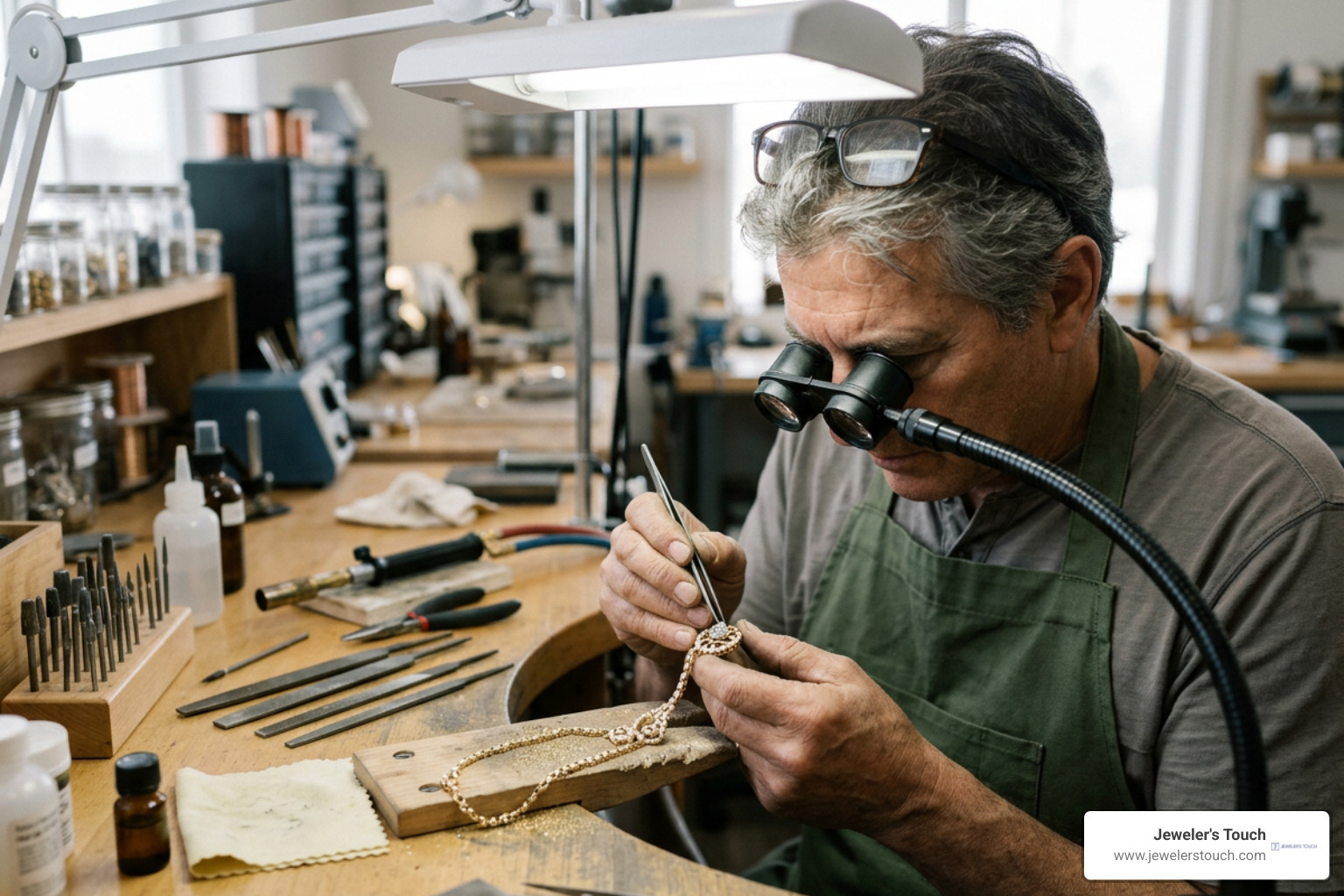
Behind every fine diamond necklace lies a blend of traditional art and modern technique. The modern fine jewelry industry emphasizes sustainable sourcing, artisan techniques, and ethical production practices.
Many modern fine jewelry collections utilize 18k recycled gold to minimize environmental impact, crafted carefully through bespoke made-to-order production models. Producing fine jewelry on demand eliminates excess inventory and ensures each piece receives individual bench attention. Production lead times for custom or made-to-order fine necklaces typically take around three weeks, ensuring that every setting, clasp, and polish meets strict quality control standards.
Other pieces honor deep artisanal heritage, such as solid 14k white gold necklaces handcrafted in historic jewelry capitals like Athens, Greece. Bench jewelers drawing on over 70 years of generational goldsmithing traditions bring unrivaled expertise to setting delicate pavé stones and balancing delicate metal links. Exploring our complete collection of fine Diamond Jewelry reveals how these meticulous production methods yield heirloom-quality results.
Fit, Styling, and Care Instructions
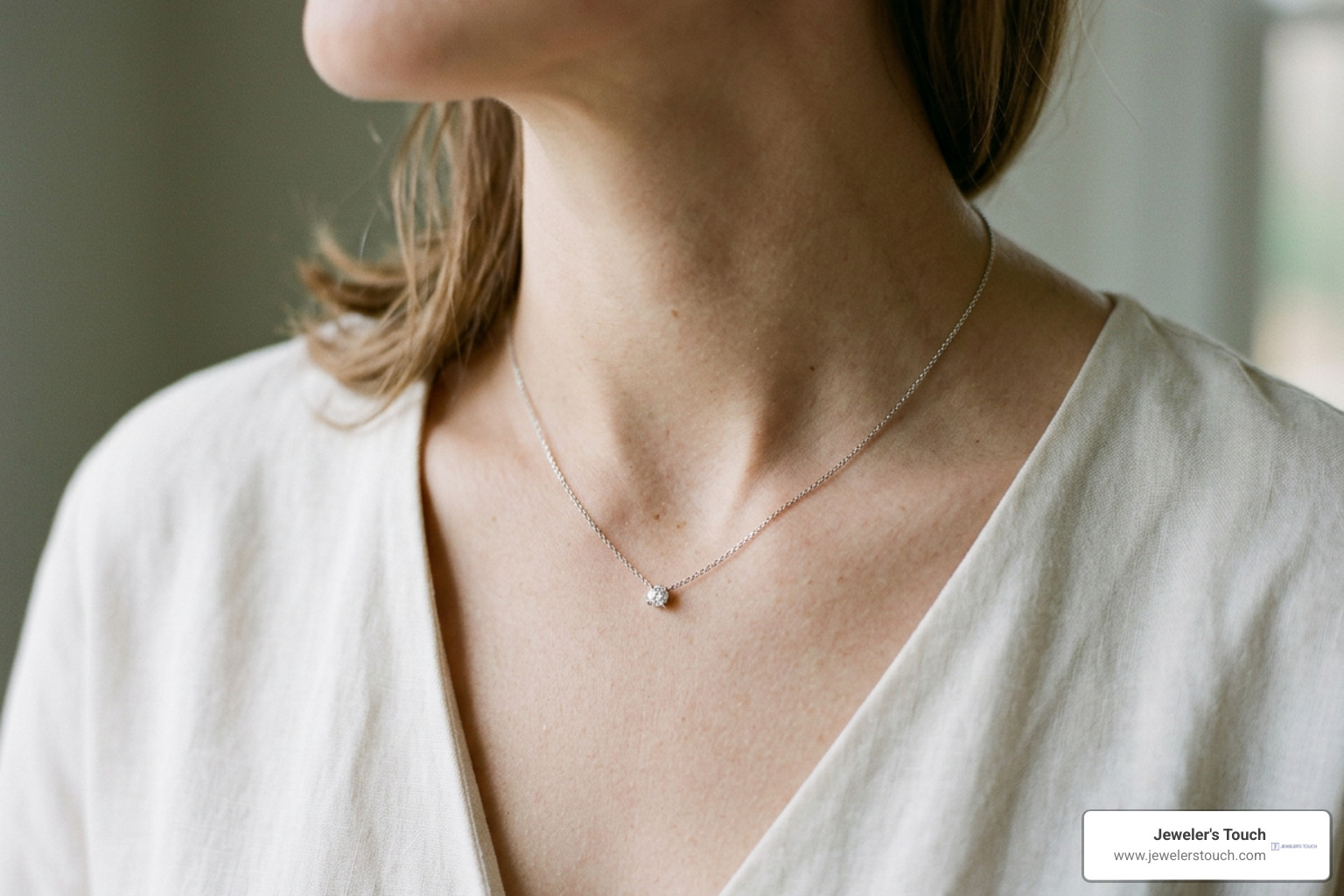
A diamond necklace should fit comfortably, lay flat against the collarbone, and complement your wardrobe. Choosing the right chain length and establishing a consistent care routine ensures your jewelry maintains its original luster for years to come.
Chain Length and Adjustability for Your Diamond Necklace
Chain length plays a critical role in how a pendant frames your face and interacts with different necklines. Adjustable chains give you maximum versatility, allowing you to alter the drop length depending on your outfit.
standard adjustable lengths include:
- 16 to 18 Inches (40 to 45 cm): The classic princess length, resting gracefully on the collarbone. Perfect for crew necks, V-necks, and everyday wear.
- 36 to 40 cm (14 to 16 Inches): A higher, choker-style fit that sits neatly above the collarbone, ideal for open necklines or high-fashion layering arrangements.
When creating a layered look, combine necklaces with at least a 2-inch length difference between them to prevent chains from tangling. Check out our guide on Ways to Layer Real Diamond Necklace for expert advice on balancing pendant proportions, metal tones, and chain styles.
Proper Storage and Daily Jewelry Maintenance
Keeping your diamonds brilliant requires regular maintenance and mindful wear habits. Although diamonds are the hardest natural material on Earth, gold settings can scratch, and settings can weaken if subjected to harsh impact.
Follow these proven preservation guidelines:
- Remove Before Activities: Always remove your necklace before swimming, showering, exercising, or sleeping. Chlorine, saltwater, and sweat can dull metal polishes and loosen delicate prong settings.
- Avoid Chemical Exposure: Apply hairspray, perfumes, lotions, and cosmetics before putting on your necklace. Direct chemical contact can create a cloudy film over precious stones.
- Store Pieces Separately: Store fine necklaces individually in soft pouch bags or lined jewelry boxes. This prevents gold chains from rubbing together and scratching metal surfaces.
- Regular Cleaning: Soak your diamond necklace in warm water mixed with mild dish soap, then gently brush around the stone setting with a soft-bristled toothbrush. Rinse thoroughly and dry with a lint-free cloth.
For deeper insights into long-term jewelry maintenance, review our detailed guide on Caring for Your Diamond Jewelry.
Comparing Purchasing Value, Warranties, and Policies
When purchasing fine jewelry, reviewing warranty protections, shipping conditions, and pricing structures ensures complete buyer confidence. Below is a detailed comparison of fine diamond necklace options to help guide your purchasing decision:
| Feature / Attribute | 18k Gold Solitaire Necklace | 14k White Gold Pavé Necklace |
|---|---|---|
| Primary Design Style | Architectural thread-roll horizontal solitaire | Interlocking geometric dual rectangles |
| Metal Composition | 18k Recycled Gold | 14k Solid White Gold |
| Diamond Configuration | 1 Solitaire Diamond (0.10 Carat) | 30 Pavé Diamonds (0.15 Carats Total) |
| Diamond Quality Grade | Top Wesselton (F/G color) VVS Clarity | G Color, VS1 Clarity |
| Origin & Craftsmanship | Handmade in Sweden | Handcrafted in Athens, Greece |
| Adjustable Chain Length | 36 cm, 38 cm, or 40 cm options | 16 to 18 inches (1.0mm thickness) |
| Production Model | Made-to-order (Approx. 3-week lead time) | Handcrafted artisan inventory |
| Warranty & Service | Standard manufacturer guarantee | Lifetime manufacturing defect warranty |
Evaluating these details alongside fair pricing structures guarantees long-term satisfaction with your luxury investment.
Frequently Asked Questions About Diamond Necklaces
How does 18k gold compare to 14k white gold in durability?
14k white gold is alloyed with a higher percentage of durable metals, making it slightly harder and more scratch-resistant than 18k gold. This makes 14k gold an excellent choice for daily wear. However, 18k gold offers a higher gold purity (75%) and a richer, warmer hue that many collectors prefer for luxury heirloom pieces.
Can I wear my diamond necklace every day?
Yes, solid gold and diamond jewelry is designed to withstand daily life. However, to maintain its shine and protect structural integrity, you should remove your necklace prior to sleeping, working out, swimming in chlorinated pools, or applying heavy cosmetics and lotions.
What is the best chain length for layering necklaces?
The most versatile chain length for layering ranges between 16 and 18 inches. When stacking multiple necklaces, aim for a gap of at least 2 inches between chain lengths (for example, pairing a 16-inch necklace with an 18-inch or 20-inch chain) to ensure each pendant sits cleanly without tangling.
Conclusion
Choosing the ideal diamond necklace involves finding the perfect balance between style, diamond quality, metal purity, and overall craftsmanship. Whether you prefer a minimalist solitaire set in rich 18k recycled gold or an architectural geometric pavé pendant in solid 14k white gold, investing in fine jewelry brings lasting beauty and personal meaning.
At Jeweler's Touch, our family-owned business in Orange County, CA, has helped clients select, design, and care for extraordinary fine jewelry since 1992. Our on-site GIA graduate gemologists and master goldsmiths are always ready to guide you through every step of the process, from selecting lose diamonds to crafting one-of-a-kind custom pieces.
Visit our Brea showroom to explore our collections, schedule a personal consultation, and experience our commitment to craftsmanship firsthand. Ready to find your perfect piece? Explore Fine Diamond Collections today!